Bid for Powers Fight How to Bid for Powers
Auction timing, bank management, and disciplined raises that win fights later.
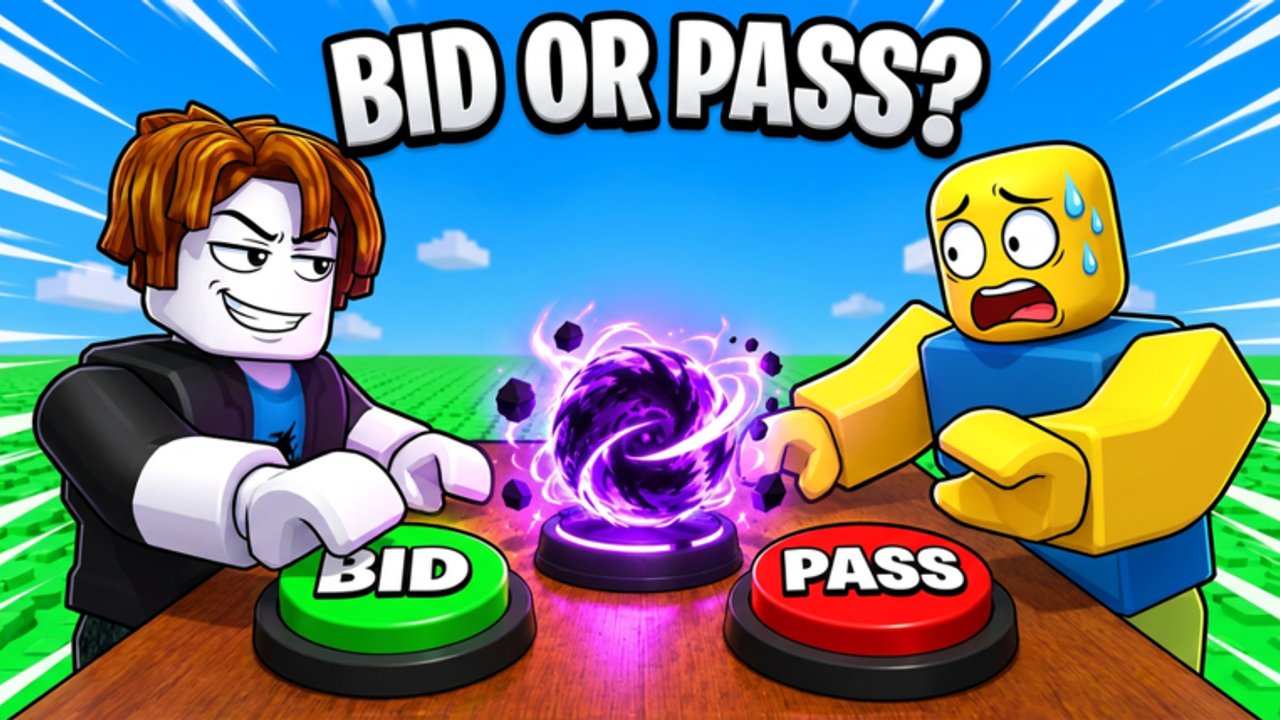
Bidding is the identity of Bid for Powers Fight. You compete for powerful abilities, fold winners into a custom fighting style, then prove the purchase in 1v1, 2v2, Party, or Free For All. This guide focuses on auction strategy: when to bid high, when to stay low, how to manage resources across a session, and how to stop emotional raises from wrecking your bank.
If you have not finished onboarding, skim Getting Started and claim Daily Rewards first. Free spins and dailies change your true budget before the first paddle goes up.
What you are actually buying
A bid is not a cosmetic flex. You are buying tempo and options for the next fights:
- A mobility tool that starts every engage.
- A burst finisher that closes low-HP chases.
- A control or zone tool that wins Party clutter.
- A sustain or armor-leaning kit that thrives when Free For All awards +1 armor per kill.
Before you raise, name the job the ability must do in your kit. If you cannot name the job, you are bidding on vibes. Cross-check archetypes on the Powers Tier List and the broader Tier List Hub so community-style rankings inform - but do not blindly dictate - your wallet.
Pre-auction routine
- Claim spins, dailies, and any live entries from the Codes Hub.
- Count liquid currency and set a session ceiling (hard stop).
- Set a per-lot ceiling for the next ability on the board.
- Note which mode you will queue after this auction (mode choice changes fair prices).
- Decide your walk-away condition (for example: two failed snipes, or 40% bank spent).
Writing those numbers down - even mentally - beats improvising against a rival who is clearly baiting you.
When to bid low
Low bidding (patient, incremental raises or late snipes) works when:
- The ability is a flex piece, not a keystone for your style.
- Several similar tools will appear later in the session.
- The lobby is sparse and nobody else needs the niche role.
- You are practicing reads more than chasing a must-win kit for ranked-feeling lobbies.
- You still need bank for a later power that completes a combo chain.
Low bidding also teaches discipline. Winning every auction is not the goal; winning the right auctions with leftover currency for pivots is.
When to bid high
Aggressive bids make sense when:
- The ability is a keystone that defines your entire style for the night.
- Your planned mode heavily rewards that archetype (for example, armor-synergy tools before a Free For All portal session - see Combat Modes).
- Denying a rival who already has the perfect partner piece is worth the premium.
- The board is dry and you will not see another equivalent tool soon.
- You just banked a large daily or spin windfall and still sit under your session ceiling.
High bidding is a tool, not a personality. If you high-roll every lot, you will enter fights undergeared relative to players who folded early and bought two coherent pieces later.
Resource management across a full session
Think in three wallets even if the UI shows one number:
- Claim wallet - today’s free spins and dailies (always collect first).
- Auction wallet - what you allow yourself to spend on bids.
- Pivot wallet - reserved currency for emergency buys when a perfect counter appears after you already fought once.
A practical split for newer players: keep at least a quarter of post-claim currency untouched until you have finished one fight and know what your kit lacks. Veterans can tighten that reserve once they know the board cadence.
Also track opportunity cost. Currency spent on a flashy burst tool cannot buy the mobility you needed to land that burst. After each win or loss, ask whether the next bid should fill a hole or double down on a strength. The Powers Tier List frames holes as archetypes: Burst Striker, Zone Controller, Mobility Duelist, Armor Tank, Support Buffer, and similar fantasy roles grounded in bid-and-fight play.
Reading the lobby
Watch who raises instantly versus who waits. Instant raises often signal keystone hunters. Slow raisers may be sniping or baiting you into overpay. If the same player contests every mobility tool, consider letting them win an overpriced lot, then take the next control piece uncontested.
In quieter servers you can practice against bots or sparse tables when available - useful for learning timer pressure without a full human table. Still apply the same ceilings; bad habits form just as easily against bots.
Linking bids to modes
- 1v1 - pay for clean duel tools: reliable punish, anti-approach, or mobility that wins neutral.
- 2v2 - value partner synergy; redundant burst on both players often underperforms mixed control plus finishers.
- Party - splash and zone tools gain value; greedy single-target finishers can feel awkward.
- Free For All - survival, pickoff tools, and anything that plays well with armor stacking after kills deserve a higher fair price.
Mode intent should be chosen before the expensive raise, not after you are broke. Details live in Combat Modes.
Post-auction checklist
- Equip and actually test the new ability - do not queue blind.
- Remap or confirm inputs if the new power uses a skill slot you rarely touch (Controls).
- Fight once with a learning goal (land the new opener three times) instead of only chasing wins.
- Update your remaining ceilings before the next lot.
- If the power disappointed, avoid “revenge bidding” the next shiny lot to feel better.
Mistakes that drain banks
- Skipping Daily Rewards then blaming auction prices.
- Matching every raise because pride got involved.
- Buying three incomplete kits instead of one coherent style.
- Ignoring patch shifts - always re-read the Tier List Hub after big ability updates.
- Entering Free For All with a glass kit you overpaid for in a 1v1 mindset.
Practice plan
Spend one session where you only take lots under a strict low ceiling. Spend the next session allowing one planned high bid for a named keystone. Compare win quality and leftover currency. That contrast teaches more than any single tip paragraph.
Return to the Guides Hub when you want sibling walkthroughs, and keep this page bookmarked as your auction discipline reminder before every serious night in Bid for Powers Fight.
Frequently Asked Questions
Quick answers for Bid for Powers Fight players.
When should I bid high in Bid for Powers Fight?
Bid high for keystone abilities that define your style or hard-counter a rival's completed kit - and only while you remain under your session spending ceiling.
When should I bid low or fold?
Stay low on flex pieces, when similar tools will appear later, or when raising would empty the pivot wallet you need for a better lot.
Should I claim dailies before bidding?
Yes. Free spins and daily rewards change your true bank. Claiming after a big auction often means you mispriced every raise.
How do tiers affect bidding?
Use the Powers Tier List as community-style guidance for archetypes. Fair prices still depend on your mode plan and current kit holes.
Does Free For All change what powers are worth?
Often yes. Armor stacking after kills raises the value of survival and pickoff tools compared to pure duel burst.